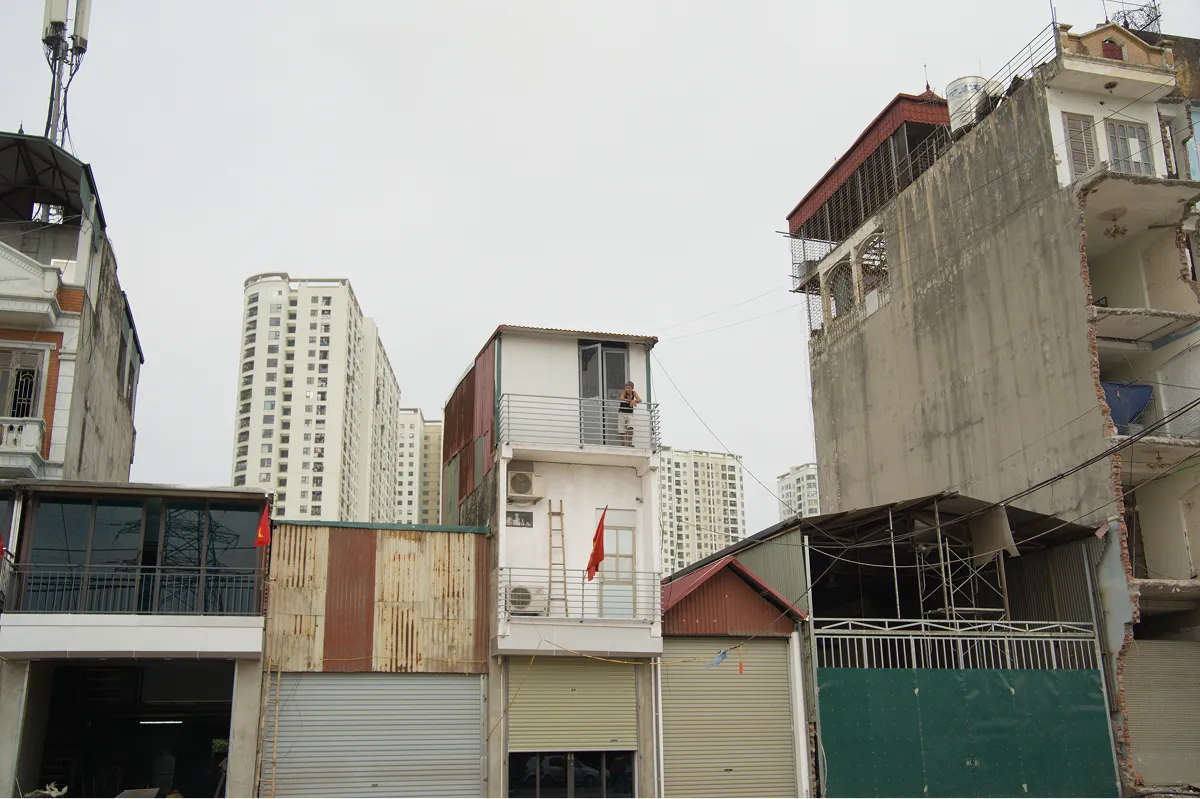
 Man overlooking construction site
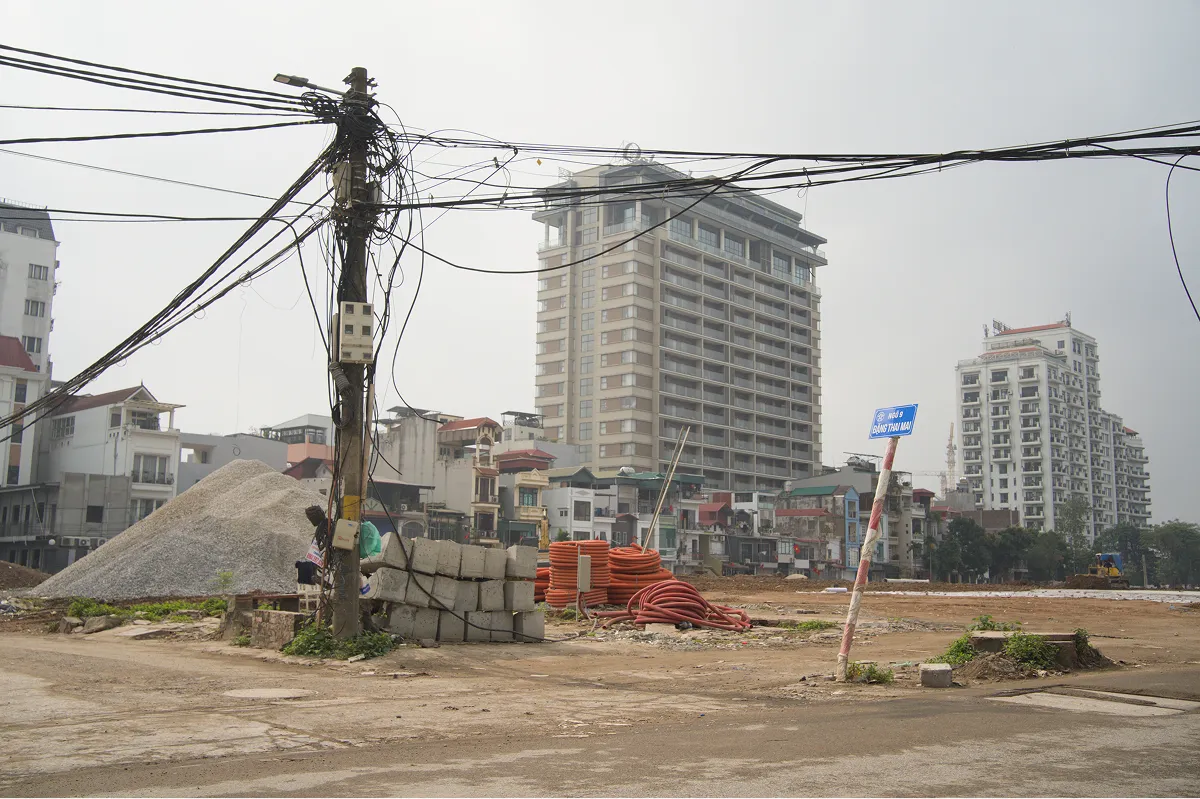
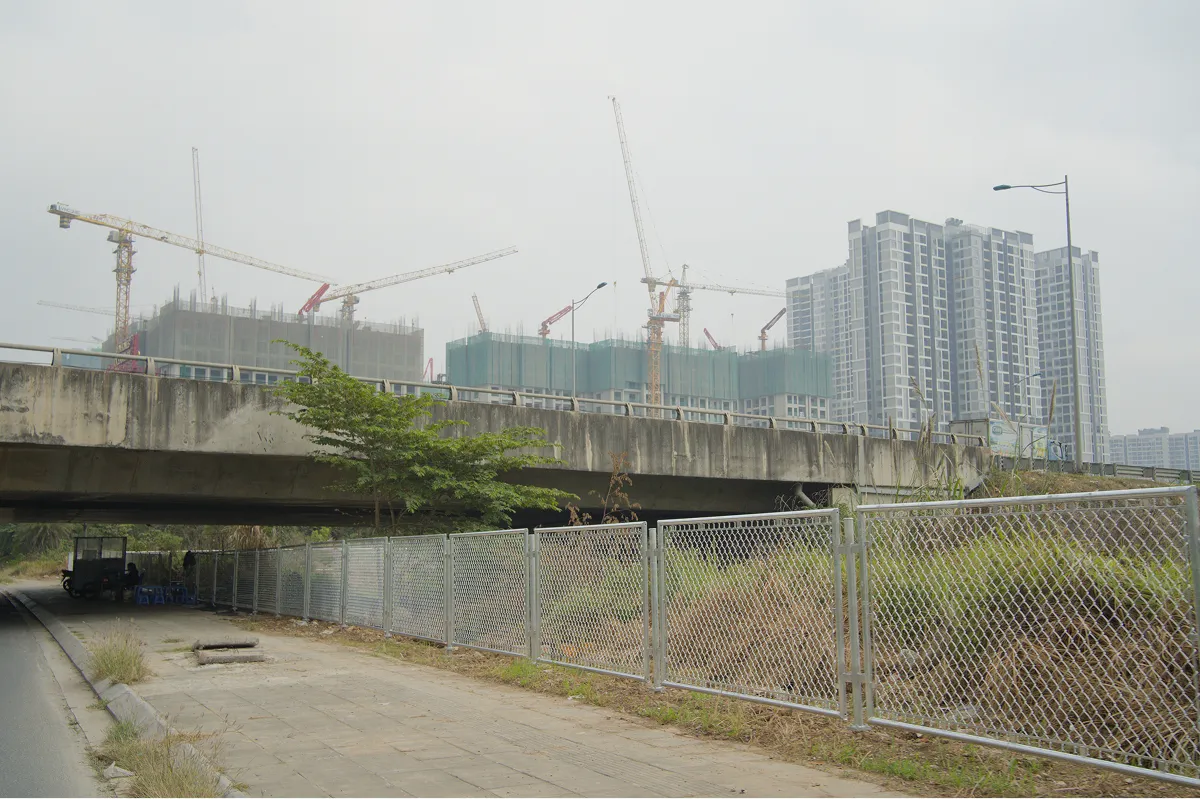 Housing development in the outskirts of Hanoi
Not much has changed since my initial days in Vietnam. If anything, the rate of development has increased to accommodate the country’s massive economical and urbanization growth.
But as the streets of Hanoi become saturated, developers have come up with new strategies for the expansion of the city.
Corporate Cities
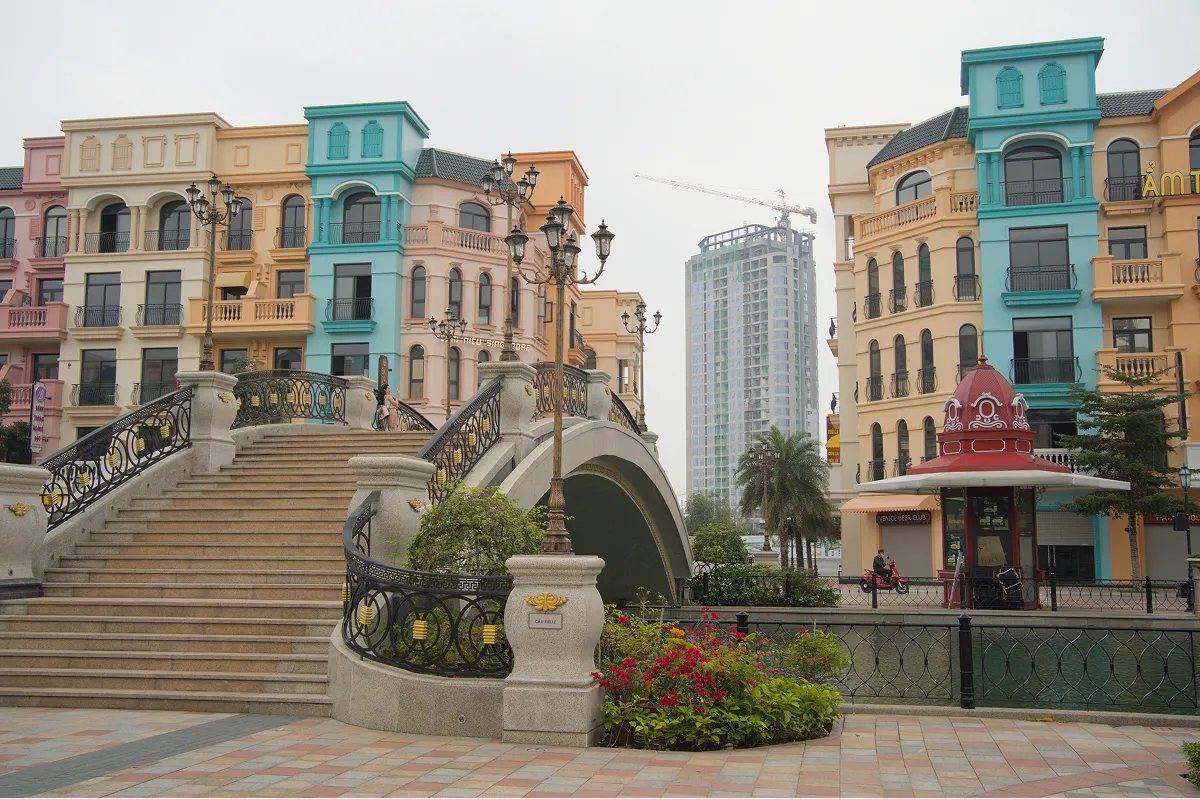 View of Mega Grand World Hanoi
Walking along the artificial river inside Mega Grand World Hanoi on a weekday, lines of empty pastel-colored buildings surrounded us.
Motorized venetian gondolas took tourists on a loop of the river, marble statues greeted at us, pop music blasted at full volume across the area’s speakers, private security drove around in electric motorbikes.
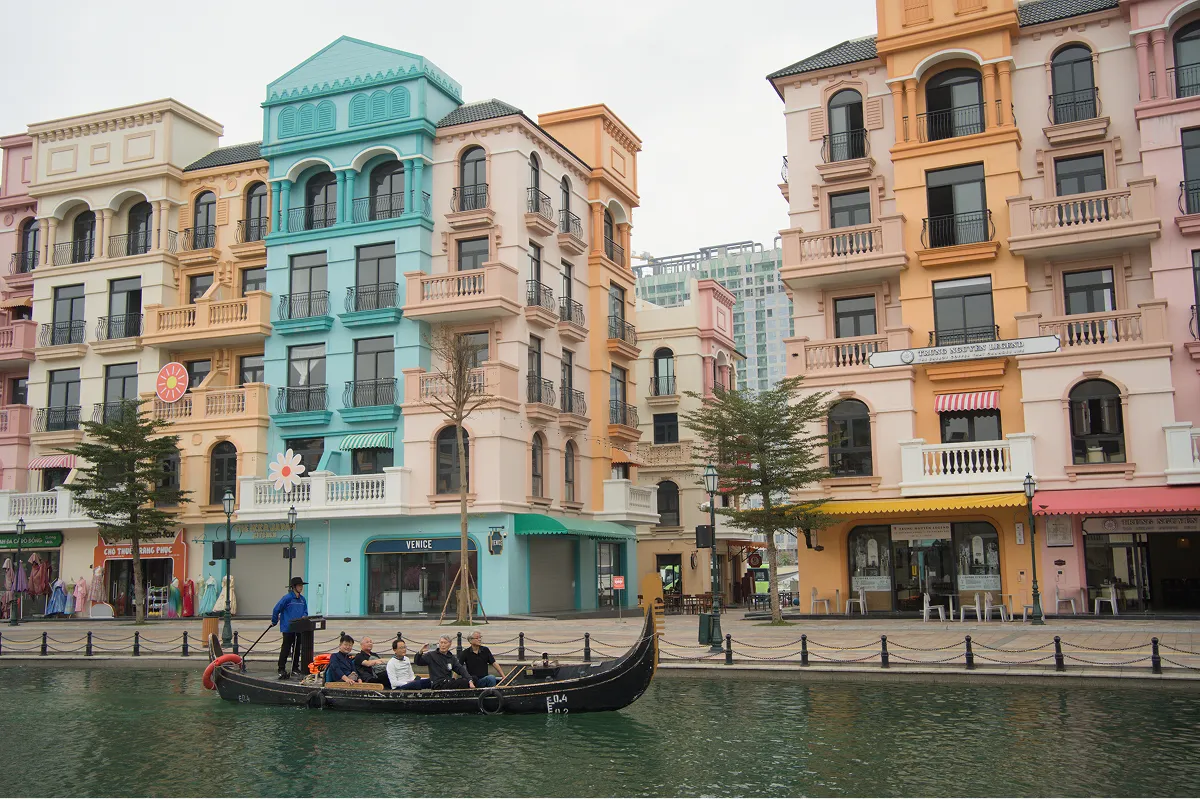 Tourists riding a gondola at Ocean Park 3
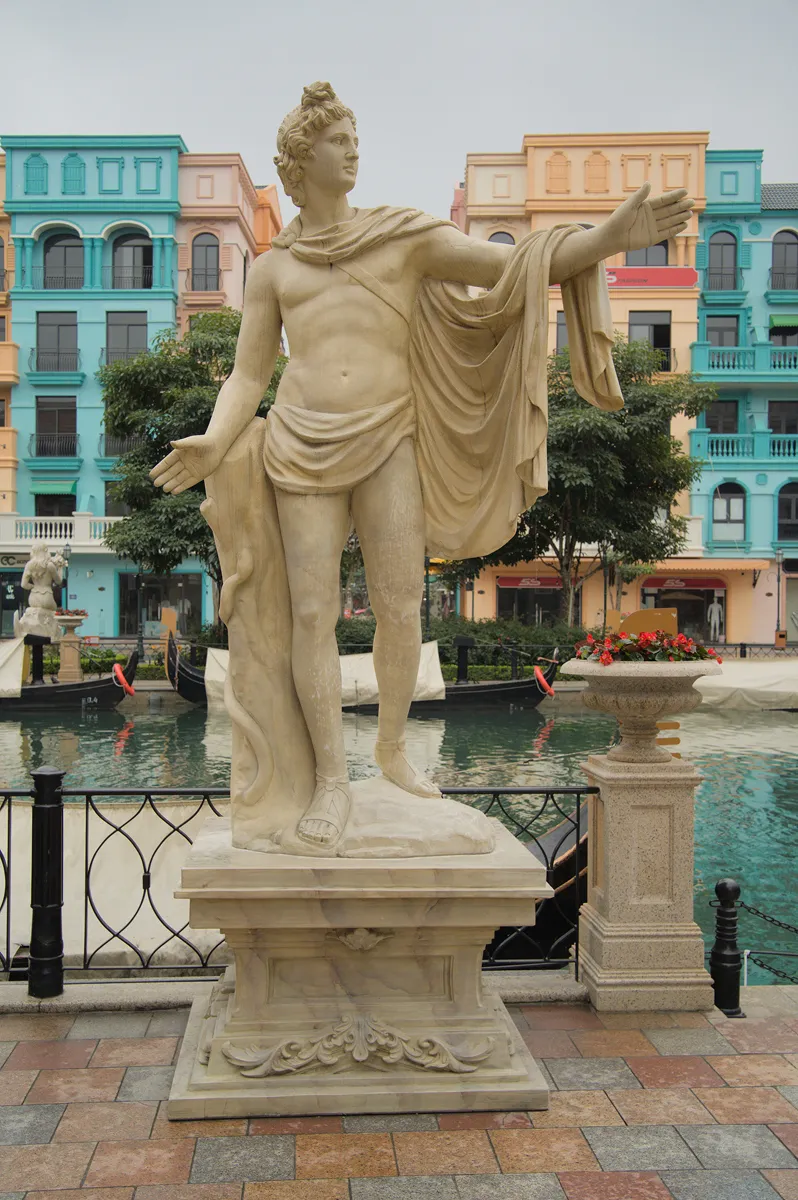 Marble Statue at Mega Grand World Hanoi
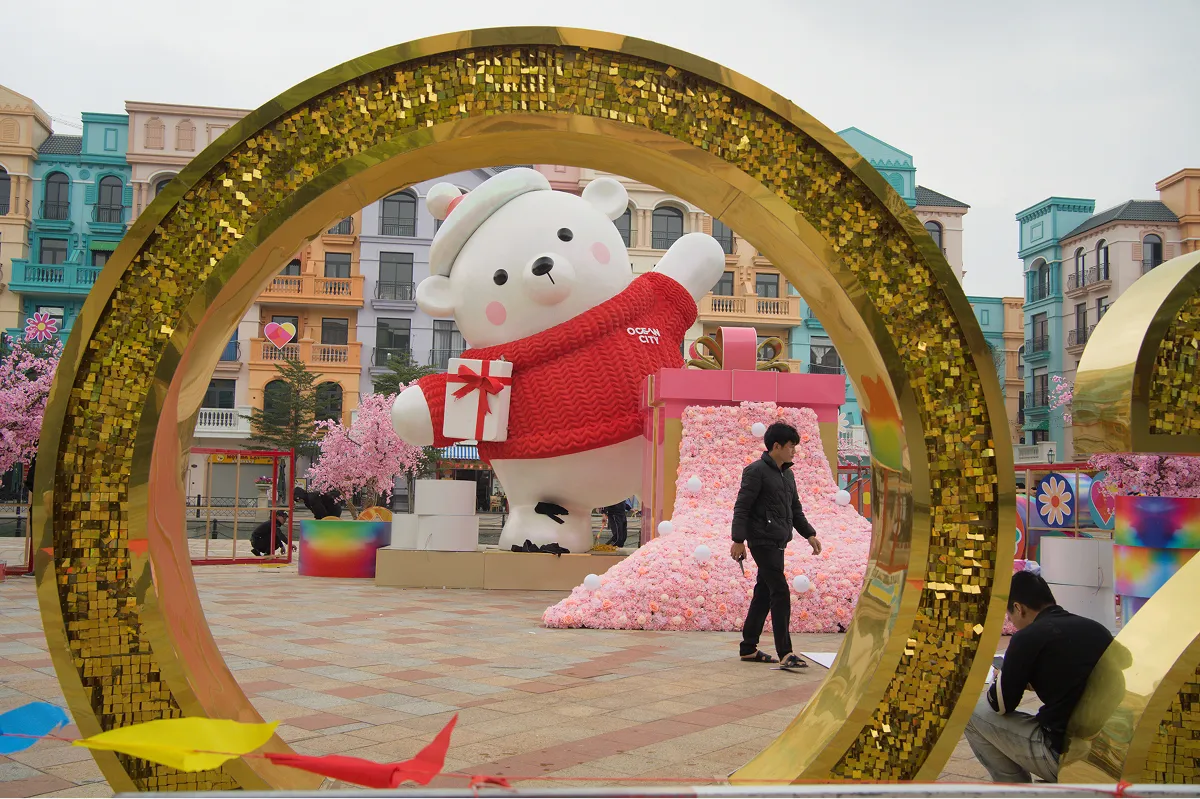 Tết preparations at Ocean Park 3
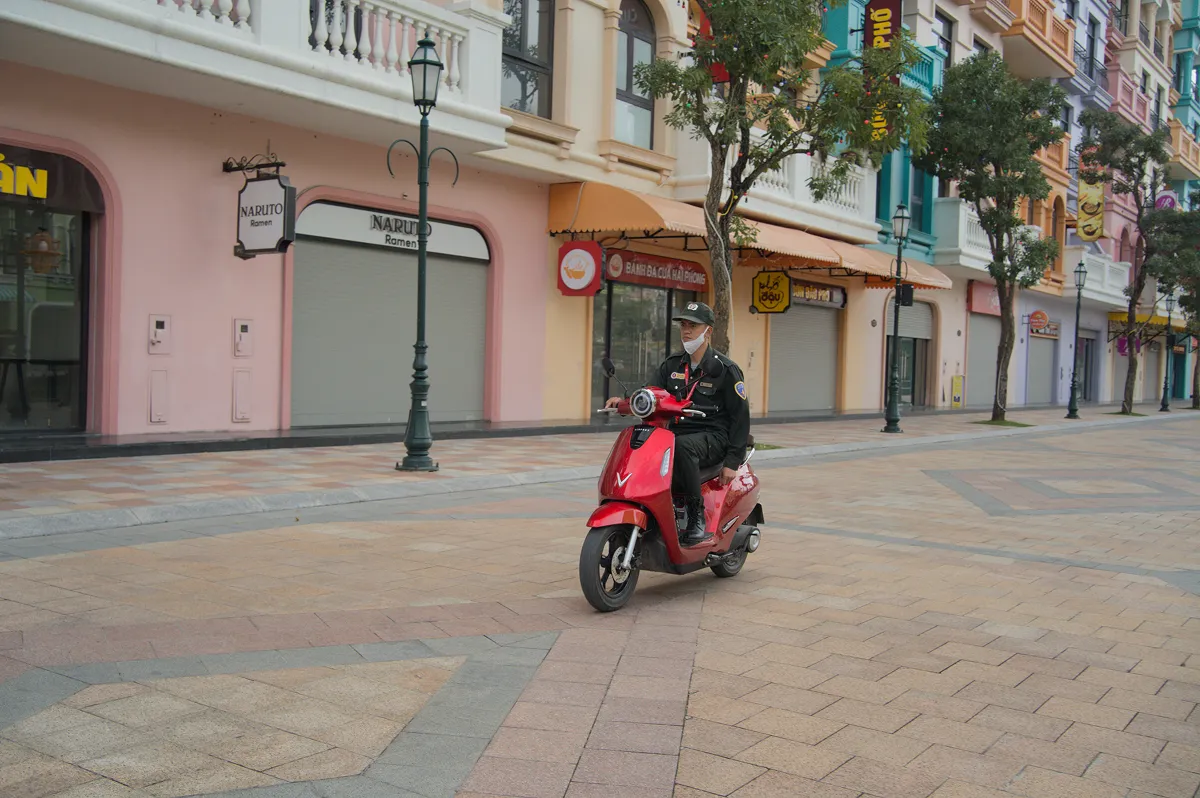 Private security on an electrical VinFast scooter
A few minutes earlier, we had driven by a grandiose university building, a man-made beach with sand brought up from the central coasts of Vietnam, a dutch windmill, an Eiffel Tower replica, a mega mall, and an assortment of staged scenes borrowed from some of the world’s most famous Instagram spots.
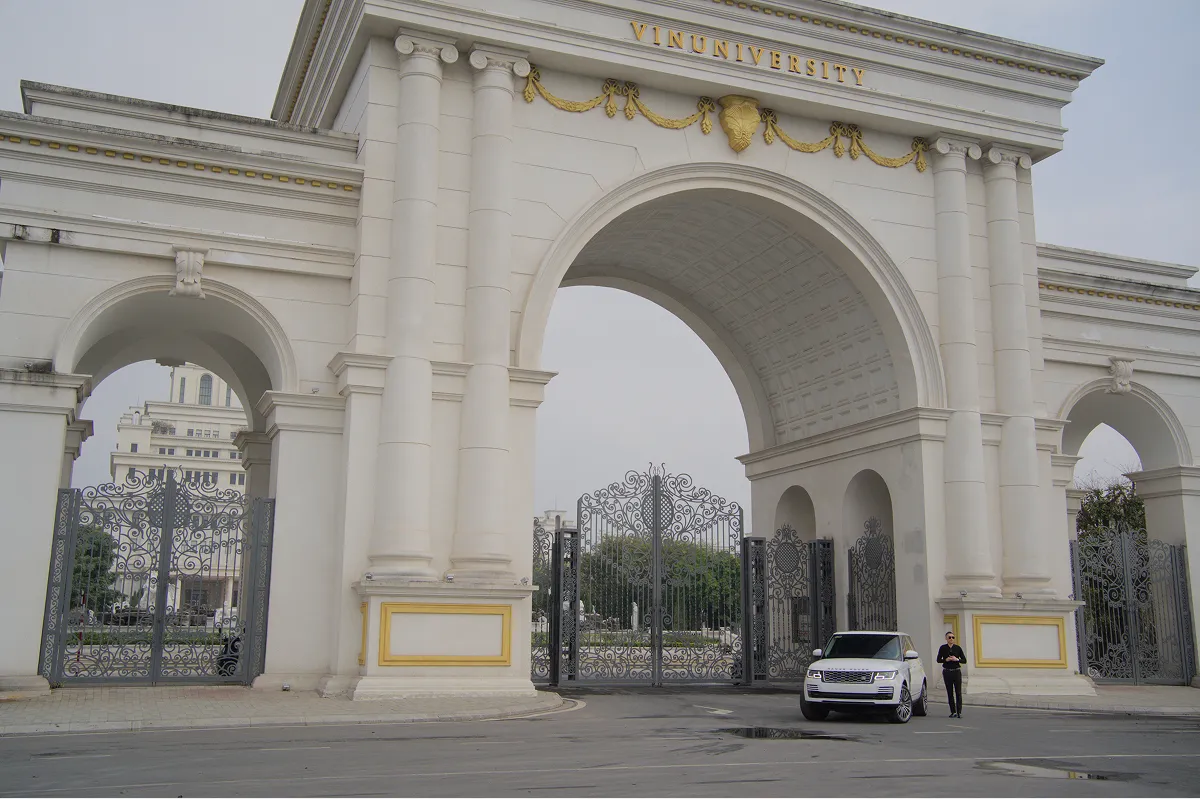 Entrance to VinUniversity
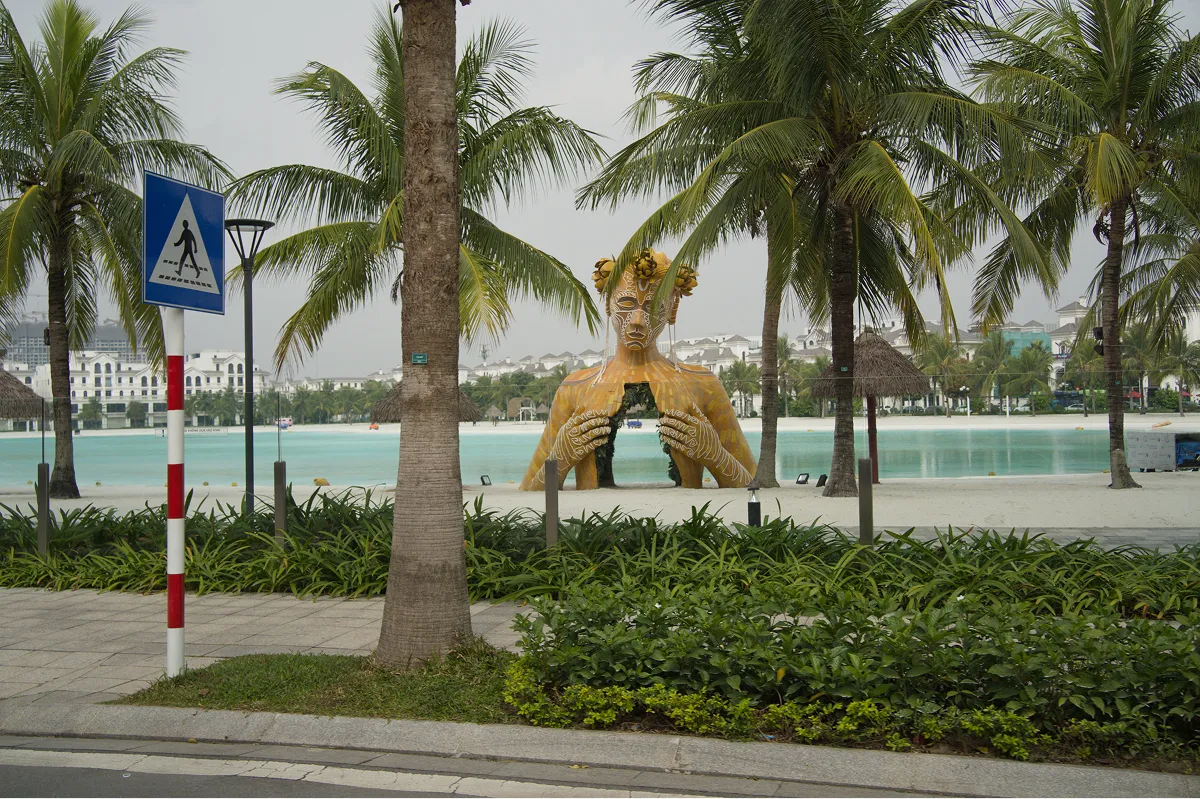 View of one of Ocean Park’s man-made beaches
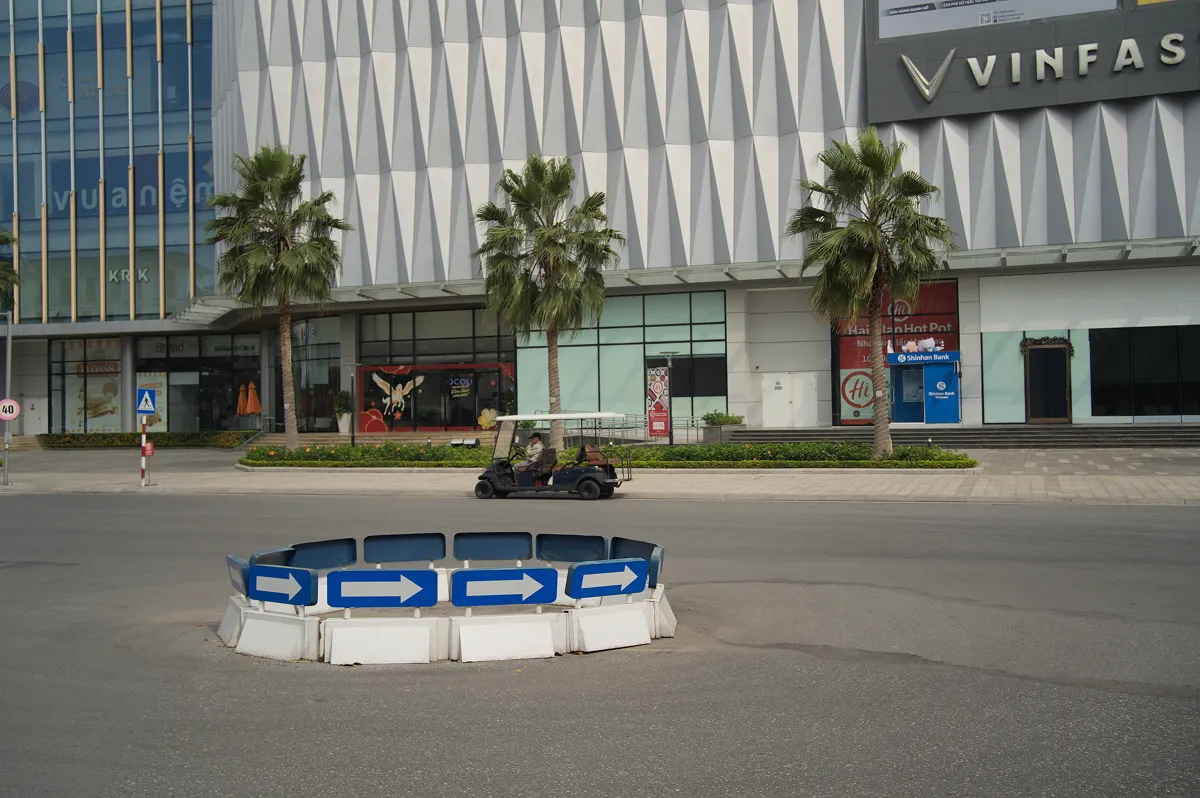 Vincom Mega Mall
My main thought as I walked through these streets was:
All of this development –– dozens of apartment buildings across three sites, minimarkets, malls, hospitals, cars & motorbikes, schools & universities, roads and other infrastructures –– is produced by a single company, VinGroup, a massive Vietnamese conglomerate.
It’s not hard to imagine a future where this is the norm. Where decisions are made in advance by a paternalistic company on a quest for profit. Where most, if not all, verticals of a society are owned by a corporate entity and turned into a closed business loop. Where residency is endowed by subscription, and can be easily revoked if the terms and conditions are not met.
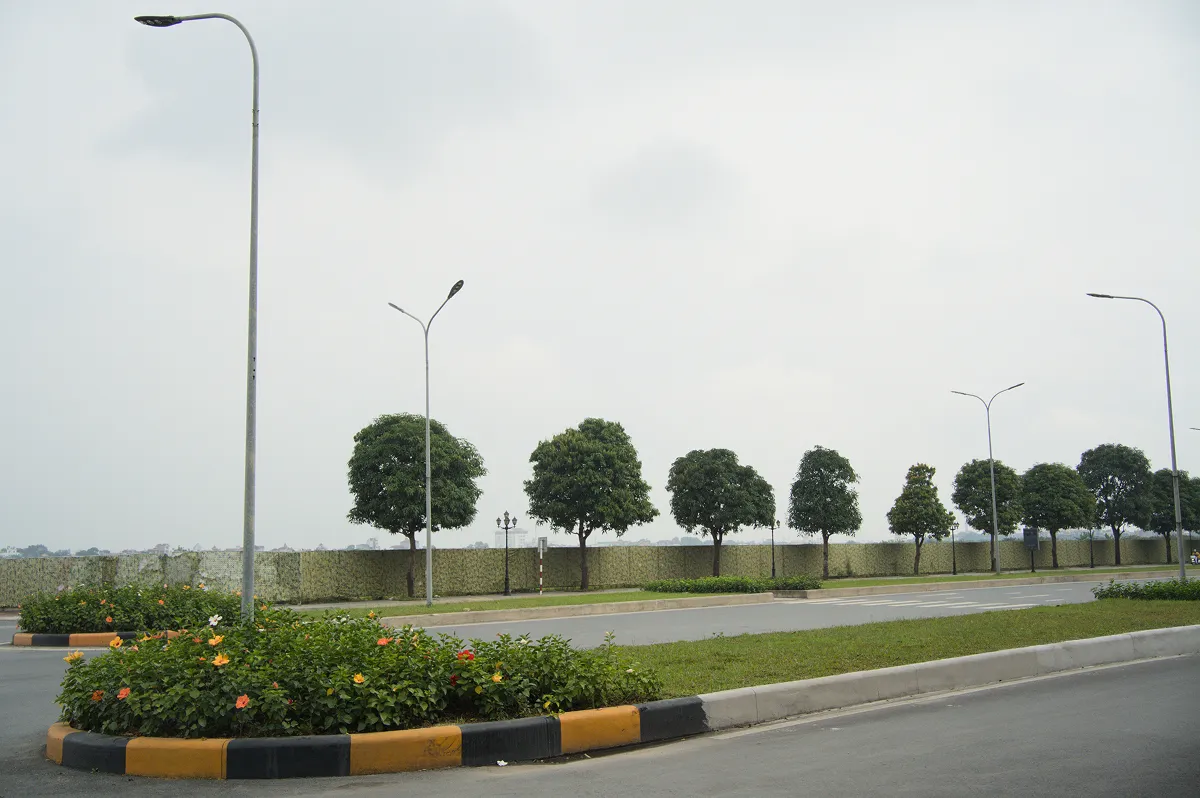 Far end of Ocean Park 2
We were not in Hanoi any longer, but that’s the point.
Though there have been examples of well-designed cities across history, most were not consciously “designed” at all. They emerged through long negotiations between geography, economy, culture, and power. They’re as complex as the people inhabiting them.
Comparatively, places such as Ocean Park follow a different logic altogether.
Marketed as a world-class mega cities, resort paradises, and entertainment hubs. Smart, sustainable, and of course, a great ROI for investors. These are products designed to attract capital first, and life –– so long as it supports the investment narrative –– second.
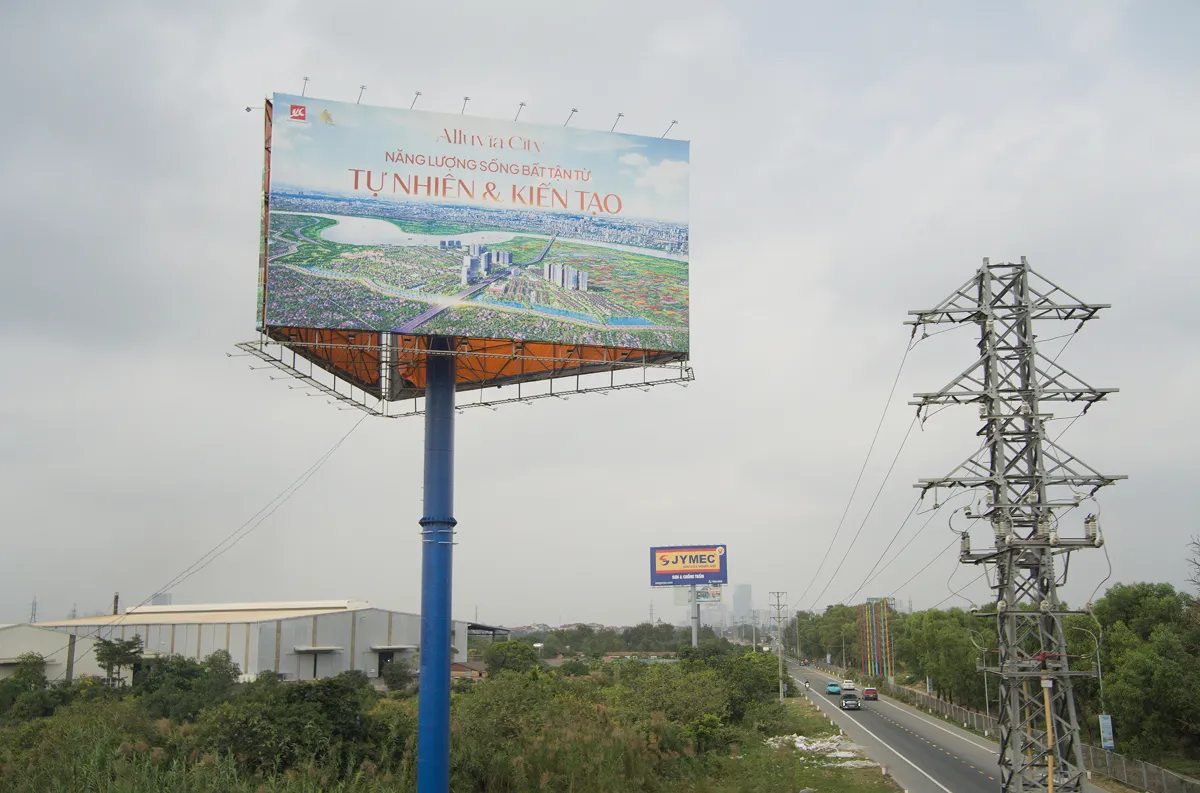 Advertisement for Alluvia City, a separate development at the outskirts of Hanoi